Most homeowners look for roof problems on the outside. They notice missing shingles, damaged flashing, or dark streaks on the surface. What many do not realize is that some of the most serious roofing problems begin inside the attic, long before visible leaks appear in living areas.
Attic moisture is one of the most overlooked causes of roof deterioration. It can weaken decking, reduce insulation performance, encourage mold growth, and shorten the lifespan of roofing materials. In Tennessee, where humid summers, heavy rain, and changing seasonal temperatures are common, attic moisture can become a long-term problem if the roofing system is not designed and maintained correctly.
For homeowners in Springfield, TN, as well as nearby areas like Cross Plains, TN and Ridgetop, TN, this is especially important because roofs in Middle Tennessee are exposed to constant weather changes that can make hidden moisture issues worse over time.
Your roof is not just the shingles you see from the street. It is a complete system that includes decking, underlayment, flashing, ventilation, insulation, and drainage. When attic moisture builds up, it affects several of these components at once.
Excess moisture often begins when warm indoor air rises into the attic and becomes trapped. If ventilation is poor, that humidity has nowhere to escape. Over time, condensation forms on wood surfaces, nails, and roof decking. This may not be obvious at first, but the damage adds up quietly.
A roof does not need to be actively leaking for moisture problems to exist. In many cases, the early signs are subtle and easy to dismiss until larger problems develop.
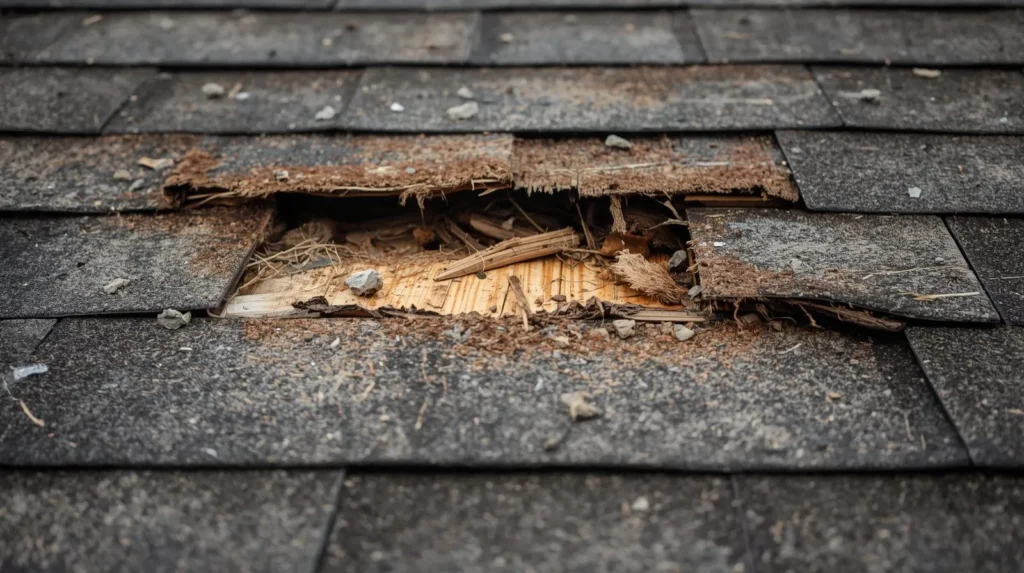
Attic moisture usually comes from one or more underlying issues rather than a single obvious defect.
Improper airflow is one of the biggest causes. If intake and exhaust vents are unbalanced, humid air remains trapped in the attic. This creates damp conditions that can affect the entire roofing structure. A properly planned Roof Installation should always take ventilation into account because airflow has a direct impact on roof performance.
Minor leaks around flashing, vent boots, or roof penetrations may allow water into the attic without causing immediate interior stains. These leaks often remain unnoticed until wood damage or mold becomes more advanced.
When warm indoor air escapes into the attic, it carries moisture with it. If the attic is not properly sealed, that warm air can create repeated condensation cycles during temperature swings.
Homeowners often miss attic moisture because they are looking only for obvious leaks. The following signs usually point to a hidden issue developing above the ceiling.
A damp, stale smell in the attic often signals trapped moisture or mold growth.
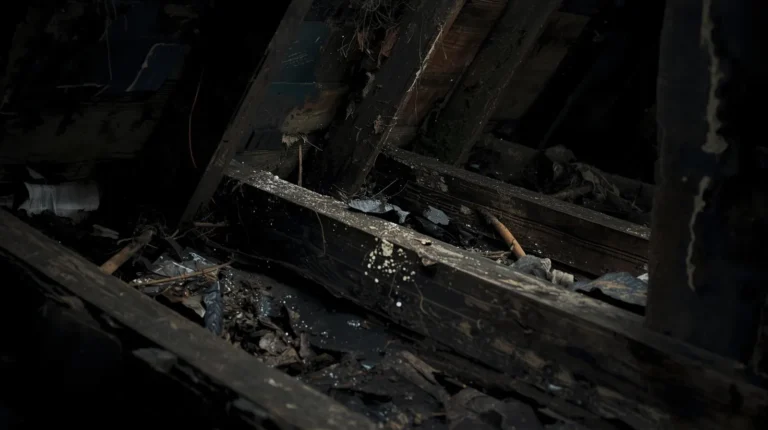
Wood that appears stained, soft, or discolored may be absorbing moisture over time.
Metal components inside the attic should not be heavily rusted. Corrosion often means condensation is present.
When insulation becomes wet, it loses effectiveness and can no longer regulate indoor temperature properly.
This can appear on rafters, decking, or insulation surfaces and usually means moisture levels have remained high for too long.
If any of these issues appear, a professional Roof Inspection can help determine whether the problem is caused by ventilation, roof damage, or another hidden weakness in the system.
Attic moisture shortens roof life in several ways.
First, it weakens the decking beneath the shingles. Once decking starts to soften or rot, the roof loses structural reliability. Second, it affects insulation performance, which makes the home less energy efficient. Third, it encourages mold and mildew that can spread into other parts of the structure. Finally, it creates conditions that cause roofing materials to age faster than expected.
This is one reason homeowners sometimes feel surprised when a roof seems to fail earlier than it should. The shingles may not have been the main issue. The real problem may have been hidden moisture inside the attic for years.
Middle Tennessee weather creates the perfect conditions for attic moisture if the roof is not properly maintained. Humid summers increase moisture in the air. Heavy rains test flashing, drainage, and underlayment. Cooler months bring temperature swings that can create condensation in poorly ventilated attics.
Homes in and around Cross Plains, TN may deal with more open wind exposure, while properties in Ridgetop, TN often face elevation-related weather changes and stronger airflow around the roofline. In Springfield, TN, a mix of older homes and newer neighborhoods means roofing systems can vary widely in how well they handle ventilation and moisture control.
These local conditions are why regular evaluations matter. A roof that looks fine from the outside may still have moisture-related issues inside the attic.
Prevention starts with understanding that the roof and attic work together as one system.
A well-built roof needs balanced ventilation, proper flashing, reliable underlayment, and strong drainage. It also needs periodic maintenance to catch smaller issues before they become expensive repairs. Ongoing Roof Maintenance helps identify clogged vents, damaged flashing, small leaks, and other conditions that may contribute to attic moisture.
Homeowners can also help by checking the attic occasionally, watching for musty smells, and making sure bathroom fans vent outdoors rather than into attic space.
Not every attic moisture issue means the roof must be replaced. Sometimes the solution is correcting ventilation, resealing a problem area, or repairing a specific leak. In other cases, prolonged moisture exposure may have already damaged decking or other structural components, which means the scope of work will be larger.
The key is timing. When the issue is found early, repair options are usually simpler and more affordable. When it is ignored, the damage spreads into more areas of the roofing system.
Attic moisture is one of the quietest ways a roof can begin to fail. It does not always show up as an immediate leak, but it can gradually damage decking, insulation, and overall roof performance. In Tennessee homes, where humidity and seasonal weather shifts are part of everyday life, this issue deserves more attention than it usually gets.
A roof lasts longer when the entire system is working the way it should. That includes the attic space beneath it. Homeowners who pay attention to moisture, ventilation, and early warning signs are far more likely to avoid costly roofing problems later.
Yes. Condensation and trapped humidity can damage roof decking, insulation, and fasteners even when there is no obvious interior leak.
Poor ventilation is one of the most common causes, especially when humid air cannot escape properly.
Yes. Wet insulation loses effectiveness, which can make heating and cooling systems work harder.
Common signs include musty smells, damp insulation, mold growth, rusty nails, and stained roof decking.
Yes. Routine maintenance helps catch small leaks, ventilation problems, and flashing issues before they lead to hidden moisture damage.