As a roofing contractor working in Springfield, TN, I see the same pattern again and again. Homeowners notice a small issue on their roof, assume it is not urgent, and decide to wait. Months later, that minor concern turns into interior water damage, mold, or the need for major roof repair.
Springfield’s climate puts steady pressure on roofing systems. Between heavy rain, strong winds, summer heat, and sudden temperature changes, even well-built roofs can develop early warning signs. The key is recognizing those signs before they become expensive problems.
Below are small roof issues I regularly find on homes across Springfield that should never be ignored.
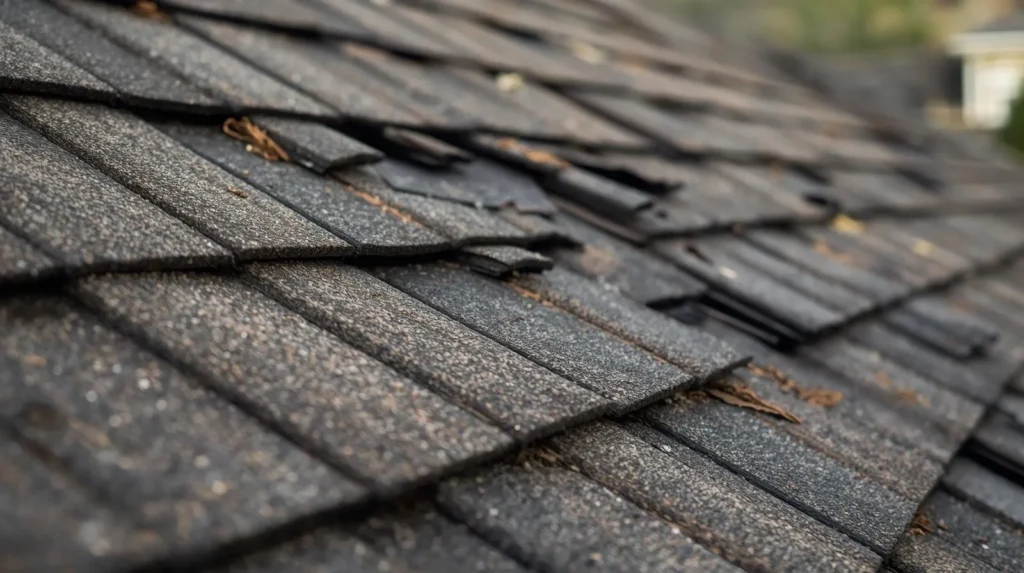
One of the most common issues I spot during roof checks in Springfield is loose or missing shingles. Strong winds, especially during seasonal storms, can lift shingles just enough to break their seal. Once that happens, water can slip underneath and start damaging the roof deck.
Many homeowners assume one missing shingle is harmless. In reality, it exposes surrounding shingles and creates a weak point where leaks often begin. I see this frequently on homes near open areas where wind moves freely, especially older neighborhoods.
If you notice shingles in your yard or uneven sections on your roof, it is time to schedule a professional roof repair. A quick fix now can prevent water from reaching insulation or ceiling drywall.
Water stains on ceilings or walls are never just cosmetic issues. Even a faint discoloration usually means moisture has already traveled through multiple roofing layers.
In Springfield homes, I often trace small leaks back to flashing failures around vents, chimneys, or roof edges. These areas expand and contract with temperature changes, especially during hot summers followed by cooler nights.
Ignoring a minor leak allows moisture to spread, weakening wood framing and increasing the risk of mold. If you see stains forming, the safest step is a professional evaluation through a Roof Inspection service. That inspection can identify the exact source before damage spreads further.
Asphalt shingles naturally shed granules over time, but excessive granule loss is a warning sign. When I inspect roofs around Springfield, heavy granule buildup in gutters usually indicates aging shingles or heat-related wear.
Tennessee summers can be rough on roofing materials. Prolonged sun exposure dries out shingles, making them brittle and more vulnerable to cracking. Once granules are gone, shingles lose their protective layer and deteriorate quickly.
Granule loss often signals that roof repairs are needed soon to extend the roof’s life. Waiting too long can push the roof closer to replacement.
Sagging areas are not always dramatic, but they are serious. Even a slight dip in the roofline may indicate trapped moisture, weakened decking, or structural stress.
I have seen this issue develop slowly in Springfield homes where small leaks went unnoticed for years. Over time, wet wood loses strength, causing visible sagging.
If you notice uneven roof lines when viewing your home from the street, it is important to address it immediately. Structural damage is far more costly than early roof repair.
Flashing protects the most vulnerable parts of your roof. When flashing cracks or separates, water finds a direct path inside.
In areas like Greenbrier, TN and Coopertown, TN, where older homes are common, I frequently replace worn flashing that was installed decades ago. Temperature changes and weather exposure eventually cause metal flashing to loosen or corrode.
If flashing damage is caught early, repairs are straightforward. Left alone, it often leads to interior leaks and insulation damage. Homeowners in nearby areas like Greenbrier, TN and Coopertown, TN face the same risks due to similar weather patterns.
When homeowners tell me their energy bills are climbing but nothing else has changed, I often find roof-related causes. Poor ventilation, moisture intrusion, or damaged insulation from roof leaks can force heating and cooling systems to work harder.
Springfield homes experience wide temperature swings throughout the year. If your roof is not sealing properly, indoor comfort drops and utility costs rise.
Addressing roofing issues early not only protects the structure but also helps maintain energy efficiency.
Roof repair is not just about fixing visible damage. It is about protecting the entire home system. Roofing problems rarely stay isolated. Water spreads, wood weakens, and indoor air quality suffers.
Springfield’s mix of rain, wind, and heat accelerates damage when small issues are ignored. As a roofing contractor, I always recommend addressing problems while they are still manageable.
Early roof repair:
Prevents structural damage
Reduces long-term repair costs
Extends roof lifespan
Protects insulation and interiors
If you notice leaks, missing shingles, sagging areas, or rising energy bills, the issue is likely more than cosmetic and should be inspected.
Yes. Timely roof repair can significantly delay the need for a full roof replacement when damage is caught early.
At least once a year and after major storms. Visual checks from the ground can help spot early warning signs.
A professional inspection helps identify hidden problems that are not visible from inside or from the ground.
Yes. Homes in surrounding areas like Greenbrier and Coopertown experience similar weather-related roof wear.
If you have noticed any of these roof issues on your home, do not wait until the damage spreads. A professional roof repair assessment can save you time, money, and stress.