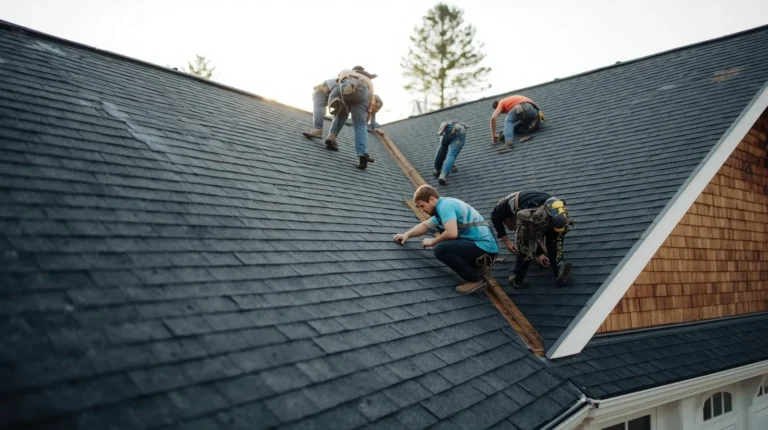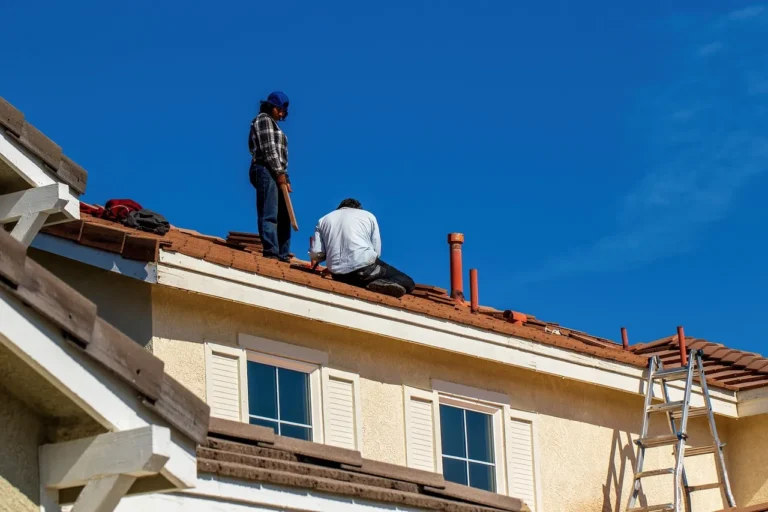

Tennessee’s weather shifts dramatically throughout the year, and these changing conditions take a major toll on your roofing system. From winter frost to summer heat waves, each season introduces unique stresses that weaken roofing materials, shorten lifespan, and increase the risk of leaks or structural damage. Understanding how weather impacts your roof is essential for protecting your home, scheduling timely maintenance, and choosing roofing materials that stand up to the state’s climate challenges.
Because Tennessee homeowners often experience everything from heavy storms to intense sunshine within the same year, staying informed isn’t optional—it’s necessary. This guide breaks down how each season affects your roof and what you can do to prevent long-term damage.
Tennessee’s climate includes cold winters, stormy springs, humid summers, and debris-filled autumns. Each season brings conditions that can weaken shingles, impact ventilation, and accelerate roof wear.
Winter temperatures in Tennessee frequently rise and fall, creating freeze-thaw cycles that cause shingles to expand and contract. This can lead to cracking, loosening, and premature aging. Ice dams form when melted snow refreezes at the roof’s edge, forcing water beneath shingles and increasing the risk of leaks.
Scheduling regular evaluations with roof inspection experts ensures developing winter damage is caught early.

Spring brings intense rainfall and severe storms that challenge even well-built roofs. Heavy winds can lift shingles, while persistent rain exposes weaknesses in flashing and underlayment. Small leaks often start in spring and worsen throughout the year if not repaired promptly.
Homeowners facing seasonal damage often rely on storm-related roof repair services.
Tennessee summers introduce extreme UV exposure and high temperatures that cause shingles to curl, fade, or blister. Heat accelerates material breakdown, especially on older roofs, and thermal expansion can loosen fasteners or warp flashing.
For homes showing heat-related wear, a new roof installation may be the best long-term solution.
Fall brings falling leaves, twigs, and seed pods that clog gutters and create moisture pockets along the roofline. Temperature swings can also strain roofing materials and reduce ventilation efficiency. Debris accumulation is one of the most common causes of preventable roof leaks during fall.
Routine upkeep through roof maintenance services helps prevent these seasonal issues.
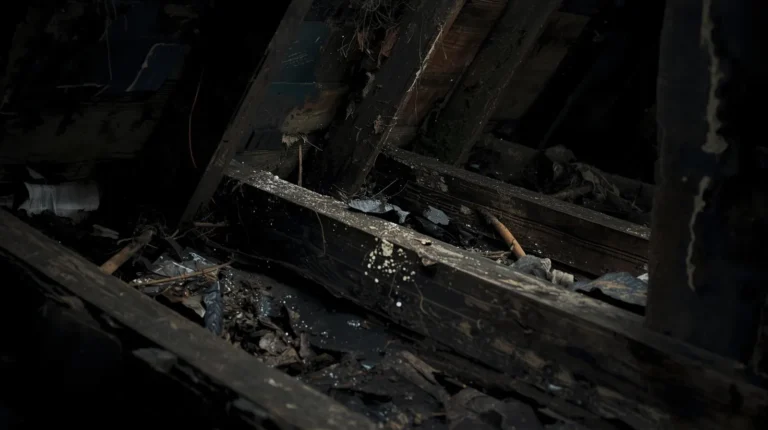
High humidity levels create ideal conditions for algae, mold, and moss growth. These organisms retain moisture, damage shingles, and discolor roof surfaces. Moisture absorption can also cause underlayment and decking to weaken over time.
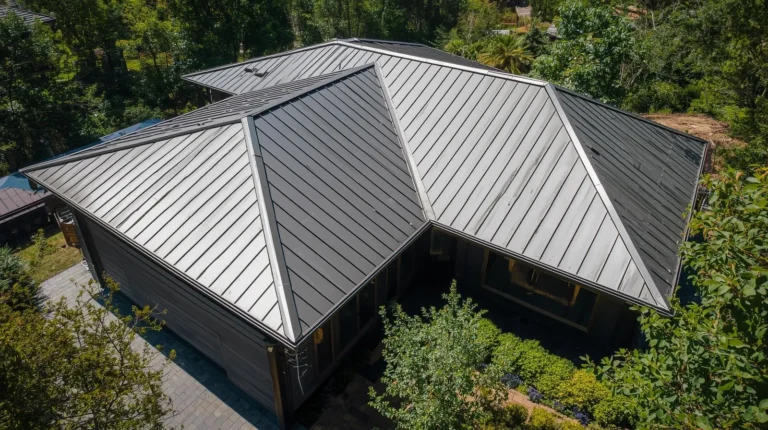
Metal roofing performs especially well in humid environments due to its resistance to moisture and biological growth. Learn more about metal roofing durability .
Tennessee experiences frequent thunderstorms, high winds, hail events, and occasional tornado activity. Wind uplift can tear shingles from the roof deck, while hail can fracture asphalt, leaving your roof vulnerable to leaks. Sudden storm impact requires immediate attention to prevent structural damage.
Fast response options like emergency roof repair are essential.
Different regions of Tennessee face unique roofing challenges. Homeowners in Oak Ridge and Powell often experience stronger wind events, while Athens and Niota may deal with heavier rainfall throughout the year. Clinton residents frequently report storm-related issues due to shifting weather patterns across the valley region.
Proactive care is the best defense against Tennessee’s unpredictable climate.
Schedule regular inspections to identify small issues before they worsen.
Keep gutters clear to prevent water pooling and ice dam formation.
Choose durable materials that withstand heat, humidity, and storms.
Plan seasonal maintenance to remove debris and monitor aging components.
If your roof is aging or heavily weathered, consider professional roof replacement to restore long-term protection.
Roofing Tennessee Pros understands the unique weather conditions that impact roofs across the state. Our team provides free inspections, weather-resistant roofing systems, and expert workmanship tailored to Tennessee’s climate. Whether you need seasonal maintenance or full installation, you can count on a trusted roofing contractor with years of local experience.
Tennessee’s weather affects your roof every month of the year, bringing challenges from heat, humidity, storms, and winter frost. Staying ahead of these conditions helps you avoid costly repairs and extend the lifespan of your roofing system.